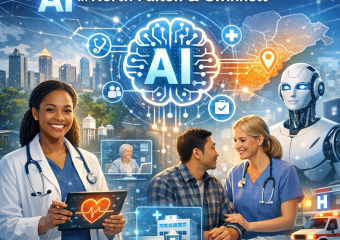


Atlanta Practices: Integrating Agentic Tools with EHRs – Key Insights
Integrating Agentic Tools With EHRs: What Atlanta Practices Need to Know
Electronic Health Records (EHRs) have become indispensable in modern healthcare, offering streamlined patient management and more efficient clinical operations. In Atlanta, where healthcare practices aim to lead in innovation, the integration of advanced agentic tools with EHRs warrants a closer look. Agentic tools, powered by artificial intelligence or enhanced automation processes, can significantly elevate the capabilities of EHR systems, making mundane tasks faster and improving patient outcomes.
Benefits of Integrating Agentic Tools with EHRs
Enhanced Diagnostic Accuracy
One of the most notable benefits of integrating agentic tools with EHRs is the potential for enhanced diagnostic accuracy. These tools leverage AI to analyze vast amounts of health data more effectively, helping clinicians detect patterns that might be missed by human eyes.

Improved Patient Engagement
Agentic tools can automate personalized patient communication. This means sending out customized health reminders, follow-up e-mails, and educational material directly linked to the patient’s health records, thus increasing engagement and adherence to treatment plans.
Efficiency in Routine Tasks
From scheduling appointments to processing billing, agentic tools integrated with EHR systems can take over many routine administrative tasks. This not only speeds up operations but also frees up staff to focus on more critical responsibilities.
Challenges to Consider
Data Security and Privacy
Implementing new technology always comes with concerns about data security and privacy. Ensuring that agentic tools comply with HIPAA and other relevant laws is crucial to protect sensitive patient information.
Technical Integration and Compatibility
The technical aspect of integrating agentic tools with existing EHR systems can be challenging. Compatibility issues might require substantial customization or even replacement of current systems, entailing additional costs and training requirements.
Human Factor and Reliability Concerns
There’s also the risk of over-reliance on automated systems. It’s essential to maintain a balance and ensure that human oversight remains a critical component of the healthcare process.
Preparing for Integration
Evaluate the Need
Before integrating agentic tools into your EHR systems, assess the specific needs of your practice. Consider which tasks could benefit from automation and whether the tools in question genuinely improve clinical outcomes or patient satisfaction.
Choose the Right Tools
Not all agentic tools are created equal. Carefully research and select tools that offer the specific functionalities your practice needs while ensuring they’re compliant with healthcare regulations.
Plan for a Smooth Transition
Integrating agentic tools can be disruptive. Plan the implementation in stages, perhaps starting with non-critical functions and gradually extending to core clinical processes.
Key Takeaways for Atlanta Healthcare Practices
- Enhanced Patient Care: Integrating agentic tools can improve the quality of care by providing quicker, more accurate diagnostics and personalized patient communication.
- Increased Efficiency: Automate routine tasks effectively, reducing the workload on human staff and allowing them to focus on patient-centric activities.
- Navigating Challenges: Be aware of and plan for potential hurdles in data security, technical integration, and balancing automation with the human touch.
Atlanta healthcare practices stand at a crossroads, where embracing advanced technologies like agentic tools integrated with EHRs could redefine their operational and clinical landscapes. By stepping towards such integration, they can ensure they remain at the forefront of medical technology, offering their patients the best care with efficiency and precision.