# How Agentic Tools Help Atlanta Clinics Serve Growing Patient Populations

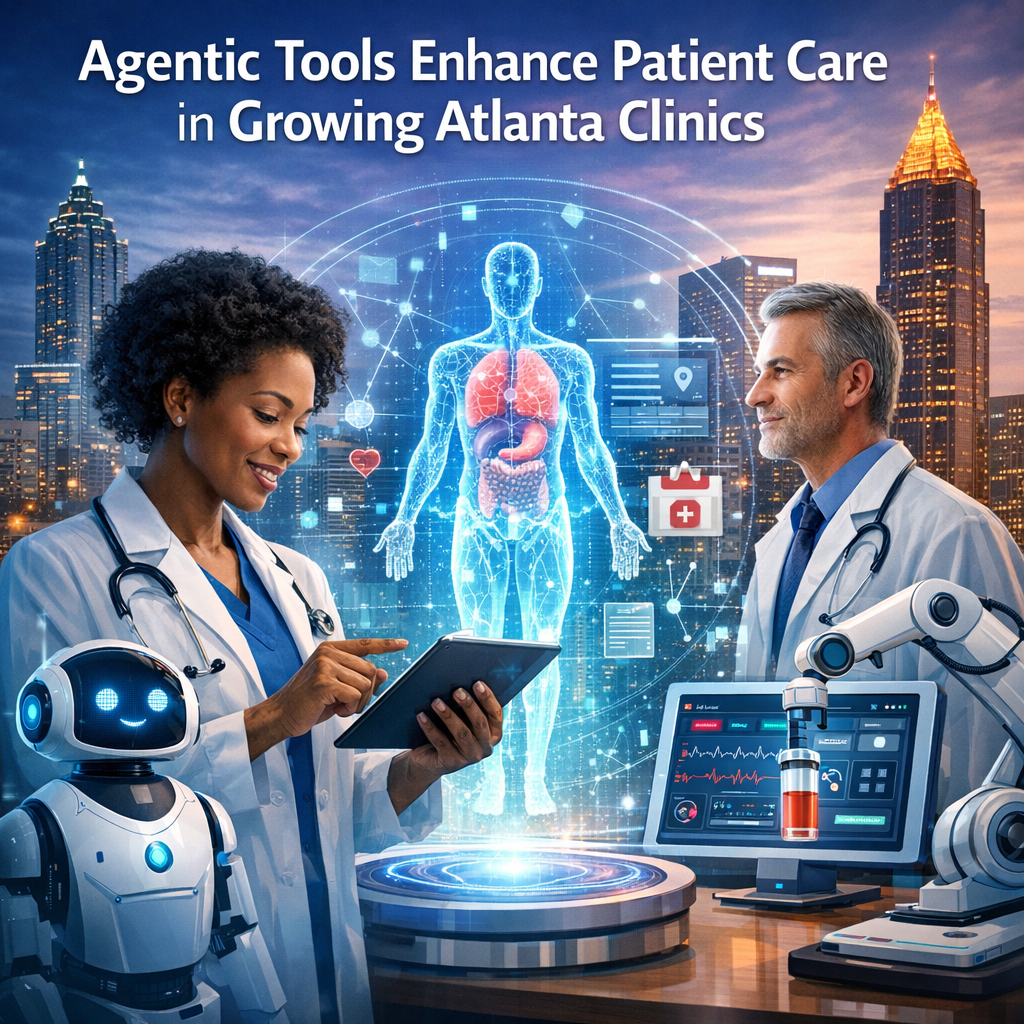
As Atlanta's population continues to grow, local healthcare clinics are turning to innovative solutions to meet the increasing demand for medical services. Among the most transformative are agentic tools — technologies that enhance the efficiency and effectiveness of healthcare provision. This blog post explores how these advanced tools are reshaping patient care in Atlanta, ensuring that clinics can scale their services to meet the needs of a burgeoning patient demographic.

What are Agentic Tools?


Agentic tools are technologies that actively assist in managing and improving processes within various sectors, including healthcare. In the context of medical clinics, these tools encompass a wide range of technologies such as artificial intelligence (AI), machine learning, and data analytics platforms. They are designed to augment the capabilities of healthcare providers, enabling better patient management, diagnosis, and treatment planning.

Enhancing Diagnostic Accuracy


AI and Machine Learning


One of the critical applications of agentic tools in healthcare is in the realm of diagnostics. AI algorithms can analyze vast amounts of medical data, such as lab results and imaging scans, to assist doctors in diagnosing diseases with greater accuracy and speed. For Atlanta clinics, this means being able to serve more patients without compromising the quality of diagnosis.

Predictive Analytics


Further, predictive analytics can forecast potential health issues based on patient history and broader health data trends. This proactive approach means clinics can advise patients on preventive measures, reducing the likelihood of diseases advancing to critical stages.

Streamlining Patient Management


Electronic Health Records (EHRs)


Agentic tools such as sophisticated EHR systems allow for the seamless sharing of patient information across departments and even different healthcare institutions. This holistic view of patient histories, allergies, and past treatments enhances the continuity and coordination of care. For the growing Atlanta patient population, this means quicker, more coordinated care experiences.

Automation of Routine Tasks


Automation software can handle tasks such as scheduling, billing, and regulatory compliance. This not only reduces the administrative burden on staff but also minimizes human errors. For patients, it translates into shorter waiting times and more face-to-face time with their healthcare providers.

Personalizing Patient Care


Tailored Treatment Plans


Machine learning algorithms analyze patient data to suggest personalized treatment plans. This ensures that treatment is tailored to the individual’s specific health needs, potentially increasing the efficacy of medical interventions.

Enhanced Patient Engagement


Interactive tools such as patient portals provide individuals with access to their health information, empowering them to manage their health proactively. Features like appointment scheduling, prescription refills, and direct communication with healthcare providers enhance patient engagement and satisfaction.

Conclusion


The integration of agentic tools in Atlanta clinics is revolutionizing how healthcare providers cope with increased patient loads. By enhancing diagnostic accuracy, streamlining patient management, and personalizing patient care, these tools ensure that clinics can scale efficiently and effectively.

As Atlanta continues to grow, embracing these technologies will be pivotal in managing the health of its residents. The future of healthcare in Atlanta looks promising, with agentic tools at the forefront of this transformation.